

Endless Winter
The balm of Olympic fervor

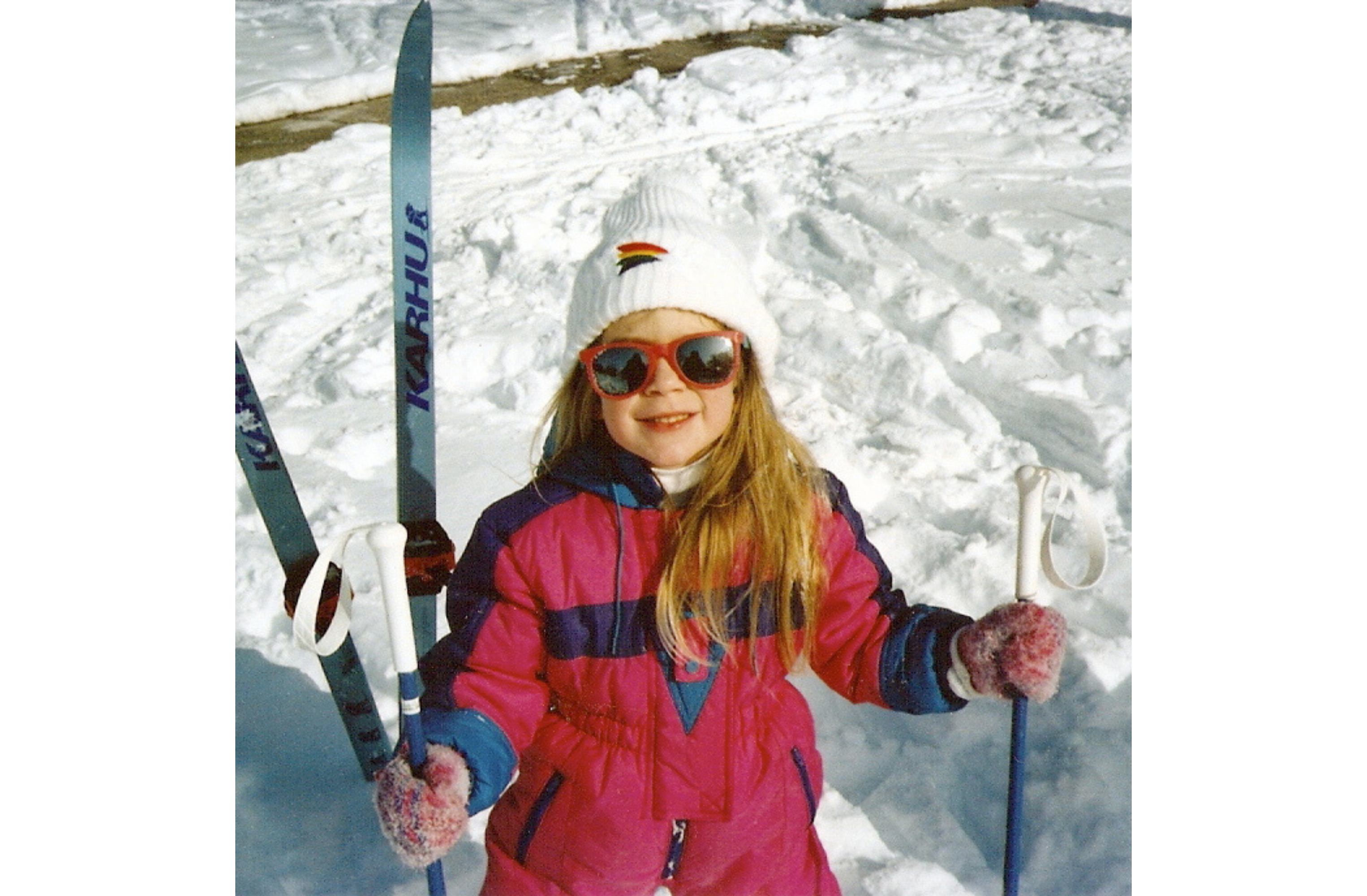
The Olympics conclude today, and with it, all my celebrations of winter. Because the reality is that winter is just never a time I thrive in and thus part of why I’m so utterly fascinated with the Olympians who have been gracing our screens. Yes, their athletic feats are astonishing and I’ll get to that, but right now I want to point out the fact that many of these people literally chase winter. Can you imagine?! Can you actually imagine the days growing longer, fresh grass reaching for the sun, flowers blooming, and you pack your bags and head for Argentina because they’re just getting their first solid showings of snow?
Remember that documentary from the 90s, Endless Summer? About the surfers who chased summer around the world because they just had to catch the waves, brah? There is no Endless Winter doc not because there isn’t genuine interest in snow sports, but because movie studio execs already know a title like that sounds absolutely dismal. When hearing Endless Winter, I don’t envision a gaggle of hot Scandis with names like Sven making their way down the mountains of the world in their tight aerodynamic suits. No, I picture gray skies and old cotton sweatsuits tucked under wool blankets, worn by a woman grown tired of soups full of soft vegetables sobbing yet again because how did January feel a century long?!
And yet there are people who chase winter?! How dare they!
These were Games where it felt like in every single event the commentators told a story about one of the competitors who was defying all physiological logic and somehow managing to ski/skate/board with a torn ACL, fractured shoulder, broken rib, or were very recently recovered from a traumatic injury. I watched the debut of ski mountaineer (bananas sport, by the way) and as they were introducing the first group of women in the semi finals, the commentator noted that one Spaniard was “hit by a car while cycling in October and is back competing at the Olympics.” What?!
Alpine skiing alone offered the most inspiring highs and devastating lows of athletes grappling with injury and, let’s be honest, age. The number of times I heard a commentator be astonished by what a body in its late 30s/early 40s is capable of was both deeply grating and gratifying.
On day three of the Games, there was the shock and awe of Lindsey Vonn’s crash mere seconds into what should have been a historic swan song. I watched it live and was absolutely stunned to witness one of the greatest skiers of all time go out like that. To have a red gate clipped at the exact wrong moment be the final note of your career. To be seen as both a role model and utterly reckless to have been skiing at all that day. To have the guts to just go for it and be seen as having failed so spectacularly. What’s more, as Vonn was surrounded by medics and a helicopter hovered overhead, the broadcast cut to commercial, and the very first segment they aired was NBC’s hype video asking “Will we see Lindsey Vonn make history today?!” I hope at least six people in the control room got fired for that wildly off kilter mistake.
And then there’s Federica Brignone. It was a miracle that the 35-year-old Italian skier was at the Olympics at all, having crashed so severely last April that she came close to not being able to walk properly again, let alone ski. She was simply just elated to have survived and recovered enough to make it to the Games. To compete on her home mountains. There was no weight of expectation draped over her shoulders, and perhaps that's exactly why she skied like someone who had nothing to lose and everything to love. And with that, she won gold in both Super-G and giant slalom, making her the oldest alpine skiing Olympic gold medalist (man or woman) in history.
And now, moving from the mountains to the ice rink because I have to talk about Alysa Liu. The 20-year-old Olympian with the striped hair everyone’s been commenting on retired from figure skating at 16. I didn’t know it was possible to retire at such a young age, but so it goes in the world of child prodigies. Four years ago, a terrible fall at the Beijing Games seemed to be the last straw for an athlete that was suffocating under the demands of scores, rankings, and performative femininity. So she walked.
When she returned to the sport two years later, she did so entirely on her own terms. She showed up to Milano-Cortina as close to punk rock as the traditionally tight bunned, rhinestone bedazzled sport had ever seen, both in aesthetic and attitude. Somehow, she wasn’t feeling the Olympic pressure and was instead focused on sharing her art with the world. She placed third after the women’s individual short program and entered the arena on Friday night radiating happiness and ease. Her jubilant free skate to Donna Summer’s “MacArthur Park” was the most cheerful thing I’ve ever seen at the Olympics. So much so that I watched it three times. There’s a particular quality to watching someone compete from a place of genuine joy rather than desperate need, and Liu had it in abundance. It was a career-best gold medal skate, in every possible means of evaluation.
Both Federica Brignone and Alysa Liu arrived at the Olympics having made peace with whatever the outcome might be — one because she was grateful just to be skiing again, the other because she'd long since decided the sport was hers to enjoy, not endure. There’s much to be said of how the immense pressure of expectation will almost inevitably lead to some kind of break because few can actually handle a spotlight so bright. Plenty of elite athletes manage to make it through the Olympics spectacle unscathed, but it seems like with every Games comes the psychological downfall of one favored competitor.
Ilia Malinin was Milano-Cortina’s shining tribute. He walked into the Games having redefined figure skating — so technically proficient at his craft that he’s the only skater landing jumps no one else can attempt. And yet, last Friday night he had a free skate so catastrophically riddled with errors and falls that he finished in an unheard of 8th place, roughly 70 points below his typical scores. Just as Alysa’s joy was so exceedingly palpable, so was Ilia’s horrified shock at having put an end to over two years of being absolutely untouchable. Every last prediction considered Ilia’s gold a foregone conclusion, the contest was for silver and bronze.
But this is not the end of Ilia. He’s only 21 and will most certainly be back in 2030 on a redemption tour in the French Alps. I have no doubt NBC is already assembling the rough edges of their “Will the Quad God finally claim what was always supposed to be his?!” promos that will air every other commercial break. And honestly, who can blame them, because it is a genuinely irresistible narrative arc. Tellingly, his Exhibition Gala skate last night was a meditation on the mental weight of public scrutiny. And yet, here I am, offering yet another opinion.
Finally, we have the 29-year-old Norwegian cross-country skier, Johannes Hoesflot Klaebo. He is now the most decorated Winter Olympian in history, trailing only Michael Phelps across all of Olympic sport. I watched every single one of his events and I am in complete awe of his athleticism. His sub six-minute mile and signature uphill “Klaebo Run” went viral early in the Games, but it was yesterday’s 50 kilometer race that provided the best theater. We’re talking two hours of the most tactically patient, quietly menacing athletic performance I have ever watched.
Klaebo's stated strategy was to save everything for the last few hundred meters, so he let his teammate Nyenget lead and set the pace. Three Norwegians in red broke away from the field by the halfway point and stayed tucked together, stride for stride. At 43 kilometers, the third fell off, unable to keep pace. For the next 6.5 kilometers, Klaebo sat hot on the heels of Nyenget, but as soon as they hit that final hill, he gunned it. After skiing for two hours, this man managed to sprint uphill on skis and leave everyone behind. The sheer audacity to be an athlete so certain he was going to win that he could afford to be patient. But he understood the theatrics: the race isn’t nearly as exciting to watch if he’s leading the entire time. You gotta give the folks some drama!
This is why I’m obsessed with the Olympics and make it my entire personality for a few weeks every other year: the high stakes, high drama storytelling aspect of it all. I will never casually catch a baseball game, and yet, for the majority of my life I have tuned into just about every last Olympic alpine skiing event with the fervor of someone who actually knows how to ski because there are god damn medals and legacies on the line.
The Winter Olympics are particularly dear to me because for two glorious weeks, the doldrums of the season get put on the back burner as I revel in slalom and moguls and half pipe for hours on end. Add to that this year’s ridiculously beautiful locations that offered endless footage of snowy mountain passes in Cortina, Bormio, and Livigno, and the fact that I spent most of the Olympic timeline knocked out with an upper respiratory virus, and I logged more viewership hours than ever.
It’s quite the timing then that just as my coughing settles and I’m no longer personally contributing to the rising stock value of Kleenex, the Olympics are ending and releasing me back into the world. Back into gray skied, bundled up February.
I will never understand the people who chase winter — the nerve, the utter insanity of it. But I will forever chase this. The singular, contained, two-week emotional experience of watching superhuman athletes claim glory and fall apart, sometimes within the same hour. There is simply no other viewing experience like it. The triumphs and the catastrophic failures arrive in such rapid succession that you barely have time to process one before the next one breaks your heart or takes your breath away. I'll be back for it every two years, sick or not, with the fervor of someone who has never once properly skied down a mountain and absolutely never will.